

 By
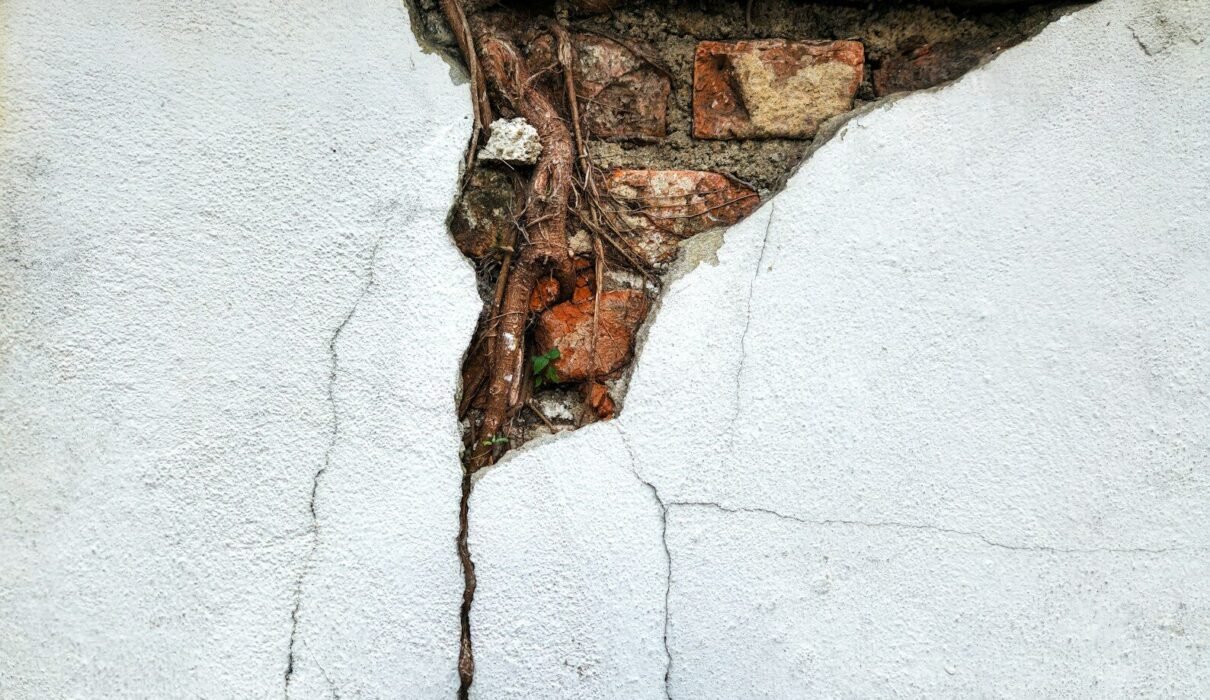
Walk through any struggling business and you’ll notice the physical decay before understanding the financial problems. Peeling paint, flickering lights, outdated equipment, and temporary fixes that became permanent. These visible symptoms reveal deeper organizational dysfunction that numbers alone miss.
Infrastructure neglect never stays confined to physical systems. The same short-term thinking that defers building maintenance also defers investing in people, processes, and capabilities. Entrepreneurs who can’t invest properly in their facilities typically can’t invest properly in anything requiring patient capital and delayed returns.
Your crumbling infrastructure broadcasts more about business health than any financial statement. Learning to read these signals helps diagnose problems before they metastasize into crisis.
Deferred Maintenance Signals Cash Flow Problems
Businesses flush with cash fix things promptly. Those struggling with cash flow let small problems compound into expensive emergencies. That leaking pipe you’re ignoring because repair costs feel prohibitive will eventually cause water damage costing ten times the original fix.
This pattern reveals prioritization failures that extend beyond facilities. If you can’t allocate resources to prevent predictable problems, you’re probably making similar mistakes throughout operations. Marketing budgets get slashed right when visibility matters most. Training investments disappear when skill development would prevent future crises. Quality measures get compromised to hit short-term targets.
Moreover, emergency repairs always cost more than scheduled maintenance. You pay premium prices, accept whoever’s available rather than choosing quality providers, and disrupt operations during fixes that planned maintenance would have handled smoothly. Understanding systematic approaches to infrastructure, such as advances in heat-tracing technology that prevent rather than react to problems, demonstrates the value of proactive investment.
What’s interesting is how businesses rationalize each individual deferral as prudent cost control while the cumulative effect screams financial distress.
Temporary Fixes That Never Get Replaced
That “temporary” solution from three years ago reveals a lot about your operational discipline. Temporary becomes permanent when you lack either resources or commitment to proper solutions. Either interpretation indicates problems worth examining.
Additionally, accumulating temporary fixes creates complexity that permanent solutions would avoid. Each workaround requires remembering quirks, explaining to new people, and maintaining separately from standard systems. This technical debt compounds until simple changes become elaborate projects touching multiple dependencies.
Businesses comfortable with perpetual temporary fixes typically exhibit similar patterns throughout operations. Hiring practices that fill urgent gaps rather than building teams strategically. Customer solutions that address immediate complaints without fixing root causes. Growth strategies that chase quick wins rather than building sustainable advantages.
Physical Environment Reflects Organizational Culture
Neglected facilities tell employees and customers exactly how much you value them. When leadership won’t invest in decent working conditions, why would staff invest discretionary effort? When you invite customers into shabby environments, what does that communicate about your standards?
Moreover, physical decay creates psychological impact that depresses performance beyond practical limitations. Dingy depressing spaces drain energy and motivation. Beautiful maintained environments inspire pride and effort. This isn’t superficial aesthetics; it’s fundamental psychology affecting everyone’s daily experience.
Cultures that accept deteriorating conditions typically accept deteriorating standards across domains. Quality drift, ethical compromises, and customer service decline all follow similar patterns of slowly lowering bars without explicit decisions to do so.
Compare Infrastructure Approaches
| Maintenance Indicator | Healthy Business | Struggling Business |
|---|---|---|
| Repair Timing | Scheduled preventively | Emergency reactive |
| Solution Quality | Permanent proper fixes | Temporary workarounds |
| Investment Horizon | Long-term value | Short-term survival |
| Decision Basis | Strategic priorities | Cash constraints |
| System Integration | Cohesive maintained | Patchwork accumulated |
Outdated Systems Multiply Hidden Costs
That ancient software you’re still running because upgrades cost too much is costing far more through inefficiency, errors, and workarounds than modern solutions would. Similarly, outdated physical equipment consumes excess energy, requires specialized maintenance, and performs below contemporary standards.
These hidden costs rarely get calculated properly because they’re distributed and invisible. Time wasted on inefficient processes, revenue lost through capability limitations, and opportunities missed through technical constraints all exceed obvious upgrade expenses. Yet businesses focus on visible costs while ignoring larger invisible ones.
Understanding when to upgrade versus maintain becomes critical judgment call. Sometimes removal and replacement makes more sense than continued investment in obsolete infrastructure. Knowing when systems like pipeline removal serves better than ongoing maintenance requires honest assessment of total lifecycle costs rather than just next quarter’s expenses.
Safety Neglect Indicates Ethical Blindness
Businesses that defer safety improvements prioritize short-term savings over people’s wellbeing. This reveals values that typically manifest throughout operations. If you’ll risk employee injury to avoid expenses, what corners are you cutting elsewhere?
Additionally, safety violations create legal liability that should terrify any business owner. One serious accident can destroy enterprises through lawsuits, regulatory penalties, and reputational damage. The false economy of deferred safety investment represents breathtaking short-sightedness.
Moreover, safety neglect demoralizes precisely the people you most need retaining. Good employees recognize when leadership genuinely cares about wellbeing versus when they’re just avoiding liability through minimum compliance. That distinction determines whether talented people stay or flee.
Infrastructure Investment Requires Long-Term Thinking
Proper facility maintenance, system upgrades, and infrastructure investment all share the characteristic of costs now for benefits later. Businesses capable of this delayed gratification typically exhibit similar patience throughout operations.
They invest in employee development despite immediate costs. They build customer relationships rather than maximizing transaction value. They strengthen capabilities during good times rather than waiting for crisis to force change. This long-term orientation compounds into sustainable competitive advantages.
Conversely, businesses trapped in perpetual short-term thinking defer everything requiring patient capital. Infrastructure, people, systems, and capabilities all atrophy while leadership focuses exclusively on this quarter’s numbers. Understanding the importance of precision in foundational work, as discussed regarding dock piling repair and similar infrastructure, demonstrates how investment in foundations enables everything built upon them.
Facilities Reflect Strategic Clarity
Businesses with clear strategies invest in infrastructure supporting those strategies. Manufacturing operations invest in production capacity. Service businesses invest in customer-facing environments. Technology companies invest in development infrastructure.
Unclear strategic direction produces random infrastructure investment following squeaky wheel priorities rather than coherent plans. You fix whatever breaks rather than systematically maintaining what matters most. This reactive approach wastes resources on urgent trivial issues while neglecting important but not-yet-critical systems.
Moreover, infrastructure investment reveals whether leadership actually believes their stated strategy. Claiming customer focus while maintaining shabby retail environments indicates disconnect between aspiration and commitment. This gap undermines credibility internally and externally.
The Bottom Line
Infrastructure condition reveals business health through signals that financial statements miss. Deferred maintenance indicates cash flow problems while accumulating temporary fixes demonstrates lack of operational discipline. Physical environment reflects organizational culture and outdated systems multiply hidden costs. Safety neglect reveals ethical blindness while infrastructure investment requires long-term thinking that either exists throughout operations or nowhere.
Your crumbling facilities aren’t just cosmetic problems or unfortunate necessities. They’re symptoms of deeper organizational dysfunction affecting everything from cash management to strategic clarity to cultural values. Businesses that properly maintain infrastructure typically exhibit similar care throughout operations, creating sustainable advantages through patient investment. Those trapped in reactive crisis management of physical systems usually suffer from reactive crisis management everywhere else. The state of your facilities predicts your business future more accurately than most realize, making infrastructure investment strategic priority rather than discretionary expense.