

 By
An expensive suit that fits badly looks worse than an affordable one tailored properly. Fit is what separates a sharp, confident appearance from a borrowed-clothes look, and it has little to do with the price tag or the brand label.
Once you know what to check, you can judge a jacket in under a minute. This guide walks through the key points from the shoulders down.
Start With the Shoulders
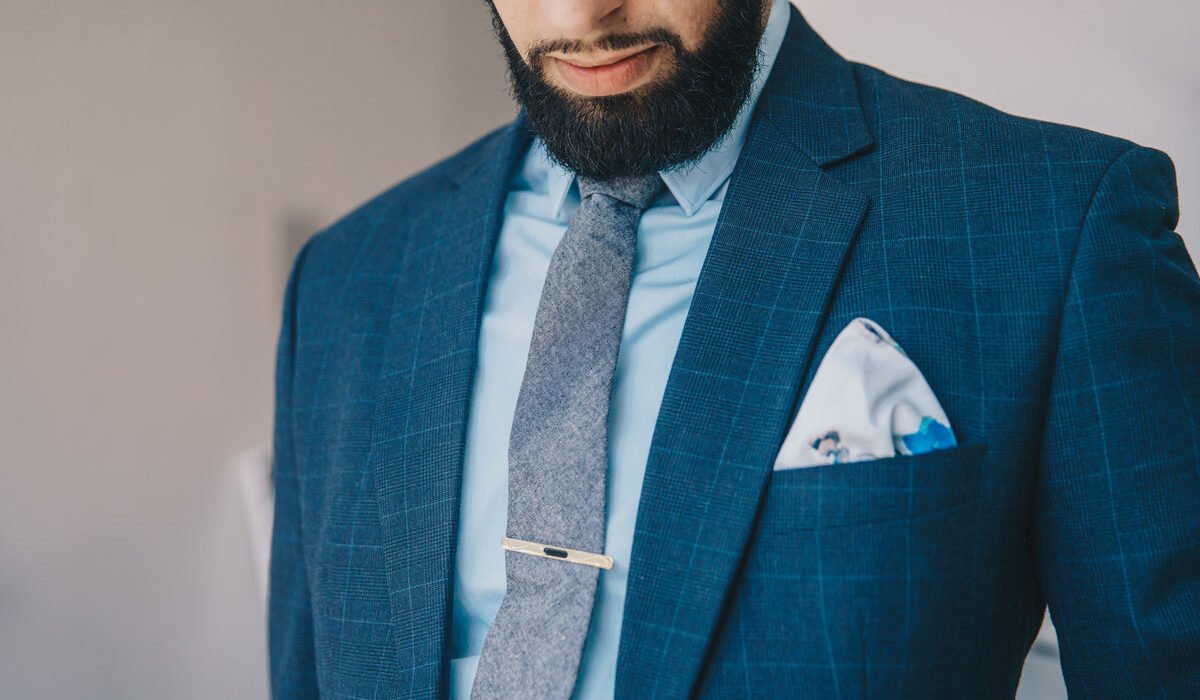
The shoulders are the most important part of a jacket, and the hardest to alter. Everything else hangs from them. The jacket’s shoulder seam should end exactly where your own shoulder ends, at the point where the arm begins.
- Too wide: the seam extends past the bone, and the fabric may sag or form a ridge.
- Too narrow: the seam sits inside your shoulder, and the sleeve pulls and wrinkles.
If the shoulders do not fit, move on to another size or style. A tailor can fix almost everything else more easily.
Check the Chest and Closure
Fasten the main button. The jacket should close smoothly without pulling into an X shape around the button, which means it is too tight. It should also not gape or hang loose like a sack. You should be able to slide a flat hand between the jacket and your chest, but not much more.
On a two-button jacket, the one you fasten is usually the top button only, and the bottom one stays open. On a three-button jacket, the middle button is the main one. These traditions help the jacket drape properly.
Jacket Length
The classic guide is that the bottom of the jacket should cover your seat. A quick test: let your arms hang naturally and curl your fingers. The hem should land around your fingertips, a little above or below. A jacket that is too short looks boyish or dated, and one that is too long shortens the legs.
Modern styles lean slightly shorter, so adjust a little to your height and proportions. Taller men can carry a longer jacket, while shorter men often look better in a slightly shorter cut.
Sleeve Length
With your arms relaxed, the jacket sleeve should end near the bone at the base of your hand, allowing a quarter to half an inch of shirt cuff to show. If your shirt cuff is hidden, the sleeve is too long. If you see more than about a half inch, it is too short. This is one of the simplest and most effective alterations a tailor can make.
Collar and Back
The jacket collar should rest flat against the back of your neck and your shirt collar, without a gap. If a gap appears, creating a floating collar, the cut is not suited to your posture or build.
Look at the back in a mirror, or have someone check it for you. There should be no horizontal creases across the upper back, and no vertical fabric bunching below the collar. A clean, smooth back signals a good fit.
The Trousers: Waist and Seat
Trousers should sit comfortably at your natural waist or slightly below, and stay up without a belt pulling them tight. If you must use a belt to avoid sagging, they are too big. The seat should skim your body without clinging or hanging in loose folds.
Check for pulling across the thighs or horizontal wrinkles near the crotch. Both mean the trousers are too tight. Excess fabric hanging below the seat suggests they are too large.
Trouser Width and Taper
Aim for a clean line from the hip to the ankle. A modest taper looks modern, while overly skinny trousers cling and restrict movement, and very wide legs look heavy. Pick a width that suits your build and the formality of the occasion.
The Break: Where the Trousers Meet the Shoes
The break is the small fold in the fabric where the trouser hem meets the shoe.
- No break: the hem just touches the shoe top. It is sharp and modern.
- Slight break: one gentle fold. This is the most versatile and widely flattering choice.
- Full break: a deep fold. It is more traditional and looks relaxed, though it can shorten the leg if overdone.
The hem should never pile up in heavy folds at the ankle, and the back of the trouser should skim the top of the heel.
Check Movement, Not Just Standing
A suit has to work while you sit, drive, reach and walk. Raise your arms and see whether the whole jacket rides up. Sit down and check that the trousers are not painfully tight. Reach forward as if shaking a hand. A good fit allows comfortable movement without restriction.
What a Tailor Can and Cannot Do
Usually easy to alter: sleeve length, trouser length, waist adjustments, taking in the sides of the jacket and tapering the trouser legs.
Difficult or costly: changing the shoulders, adjusting the collar, major changes to chest size or lengthening a jacket considerably.
Buy the suit that fits your shoulders and chest properly, then let a good tailor refine the rest. Budget for alterations as part of the purchase.
Fabric and Comfort
Choose fabrics that suit your climate and your day. Wool is the traditional standard and breathes well in a range of temperatures, while lighter blends and cotton are comfortable in warm weather. Look for a fabric that does not crease excessively and feels pleasant on the skin. For a modest, polished look, solid colors such as navy, charcoal and grey are reliable foundations.
Frequently Asked Questions
Should a suit feel tight?
It should feel snug enough to look neat, yet comfortable enough to move easily. If you feel restricted, it is too small.
How much does tailoring cost?
Prices vary by place and by the work involved. Simple alterations are usually modest compared with the price of the suit.
Is off-the-rack good enough?
Many men find an off-the-rack suit fits well after minor alterations. Made-to-measure is an option if standard sizes never work for you.
How can I check the fit if I shop online?
Measure a jacket that fits you well, compare dimensions with the size chart and check the return policy before ordering.
The Takeaway
Good fit begins at the shoulders and ends at the hem. Check the shoulders, chest, length, sleeves, collar, waist and break, and let a tailor handle the fine-tuning. A well-fitted suit looks confident, feels comfortable and lasts for years.
This article is general style information. Sizing and alteration practices vary between brands and tailors.